
Effective Call Center Agent Training Programs
Design training that turns new hires into confident, high-performing agents—reducing turnover, raising quality scores, and improving every customer conversation.

Why Agent Training Is a Strategic Investment
Call center agents are the voice of your brand. When training is weak or inconsistent, quality suffers, customers leave, and turnover climbs. Effective call center agent training programs do more than teach scripts—they build confidence, product knowledge, soft skills, and the judgment needed to handle real conversations.
High-performing contact centers treat training as continuous, not a one-time event. New-hire onboarding sets the foundation; ongoing coaching and targeted skill development keep agents sharp as products, policies, and customer expectations change. The result is higher first-contact resolution, stronger customer satisfaction, and lower attrition.
The Real Cost of Poor Training
Replacing a single agent costs 30–50% of their annual salary when you factor in recruiting, onboarding, and lost productivity. Multiply that across a team of 20–50 agents and the numbers become staggering. Strong training is not an expense—it’s one of the highest-ROI investments any contact center can make.
Beyond cost, poor training damages the customer experience. Every weak call erodes trust, generates negative reviews, and pushes customers toward competitors. Well-trained agents do the opposite—they turn routine calls into relationship-building moments.

Building a Strong Onboarding Foundation
The first 30–90 days determine whether a new agent will succeed or struggle. A structured onboarding program should blend knowledge, practice, and support. Agents who feel prepared in week one are far more likely to still be with you in month twelve.
The 5 Pillars of New-Hire Onboarding
- Company and culture — Mission, values, and how the call center supports the wider business
- Systems and tools — CRM, phone system, knowledge base, and AI assistants
- Product and process knowledge — Core offerings, common issues, escalation paths, compliance
- Soft skills — Active listening, empathy, de-escalation, clear communication
- Practice with feedback — Role-plays, simulations, side-by-side coaching before live calls

Avoid information overload. Break content into modules, use short assessments, and give new agents a mentor or buddy for the first weeks. Gradual exposure to live volume builds confidence without overwhelming them.
💡 Onboarding Insight
New agents paired with a peer mentor during their first 30 days reach full productivity 25% faster and report 40% higher confidence in handling complex calls. Mentoring is one of the highest-impact, lowest-cost training tools available.
Core Skills Every Training Program Should Cover
Product and Process Mastery
Agents cannot help customers if they do not understand the product or the correct process. Training should include realistic scenarios, searchable knowledge resources, and regular updates when policies change. Pair classroom or e-learning with time on the floor so knowledge sticks.
Soft Skills and Emotional Intelligence
Technical answers matter, but how agents deliver them often decides the outcome. Training in empathy, tone, pacing, and handling frustrated callers reduces escalations and improves satisfaction. Use recorded calls and role-plays so agents can hear good and weak examples and practice better responses.

Communication and Clarity
Clear language, structured explanations, and confirming understanding prevent repeat contacts. Teach agents to summarize next steps, avoid jargon, and adapt their style to the customer. Written channel training (chat and email) is equally important for consistency across touchpoints.
Problem-Solving and Judgment
Scripts help with routine issues, but complex situations require judgment. Scenario-based training and decision trees teach agents when to follow process and when to escalate or offer alternatives within policy limits. Empowered agents resolve more issues on the first contact.
The best training programs build critical thinking, not just script memorization. Agents should know the “why” behind each process so they can adapt intelligently when the unexpected happens.

Structured Onboarding
Clear 30–90 day paths that mix knowledge, practice, and mentoring so new agents ramp up with confidence.
Soft Skills Focus
Empathy, listening, and de-escalation training that turns difficult calls into positive experiences.
Product & Process Mastery
Realistic scenarios and up-to-date knowledge so agents can solve issues accurately the first time.
Ongoing Coaching
Regular feedback, targeted skill sessions, and data-driven development that never stops after day one.
Blended Learning
Mix of live training, e-learning, simulations, and micro-learning for flexible, effective delivery.
Measurable Outcomes
Link training to QA scores, ramp time, CSAT, and retention so you know what works and improve it.
Ongoing Coaching and Continuous Development
One-time training fades. Effective programs include regular quality monitoring, one-on-one coaching, and targeted skill sessions. Focus coaching on a few behaviors at a time rather than overwhelming agents with long lists of feedback.
Use data—quality scores, handle time, first-contact resolution, and customer feedback—to identify skill gaps at team and individual level. Then design short workshops or micro-learning modules that address those gaps. Recognize improvement publicly so agents see that development is valued.
The Coaching Cadence That Works
- Weekly 1:1s — 20–30 minutes focused on 2–3 behaviors
- Bi-weekly call reviews — celebrate wins, coach improvement areas
- Monthly skill workshops — team sessions on one competency
- Quarterly development plans — longer-term growth conversations
- Annual refresher training — policy and process updates
Consistency beats intensity. Small, regular coaching sessions outperform occasional long training days. Agents grow faster when feedback is timely, specific, and supportive.

Blended Learning and Modern Delivery Methods
Mix formats: instructor-led sessions for discussion and role-play, e-learning for product knowledge, call shadowing for real-world exposure, and simulation tools for safe practice. Micro-learning (short videos or quizzes) works well for updates and reinforcement without taking agents offline for long periods.
For remote or hybrid teams, ensure training is accessible from home, with clear schedules, digital materials, and virtual practice sessions. Consistency of content and standards matters more than the delivery channel.
The Modern Training Toolkit
- Instructor-led sessions — role-play, discussion, Q&A
- E-learning modules — self-paced product knowledge
- Call shadowing — real-world exposure with mentor
- Simulation tools — safe practice environment
- Micro-learning — 5-minute refreshers between calls
- Virtual classrooms — for remote and hybrid agents

Measuring Training Effectiveness
Track more than attendance. Link training to outcomes: time to proficiency for new hires, quality score trends after coaching, reduction in escalations, and changes in customer satisfaction or retention. Survey agents about confidence and clarity of expectations. Adjust content and methods based on what the data and feedback show.
Effective call center agent training programs are never finished. Products evolve, customer expectations rise, and new tools appear. The centers that invest in structured onboarding, continuous coaching, and measurable skill development consistently outperform those that treat training as a checklist. Strong training builds capable agents—and capable agents build better customer relationships and a more resilient operation.
The 6 KPIs That Prove Training Works
- Time to proficiency — days until new agents hit target metrics
- QA score trends — improvement after coaching sessions
- First-contact resolution — issues solved on first interaction
- CSAT changes — customer satisfaction over time
- Turnover rate — reduced attrition in first 90/180 days
- Agent confidence scores — self-reported readiness

📊 Training Insight
Contact centers with mature training programs report 40% lower first-year attrition and 35% higher QA scores compared to centers with unstructured or infrequent training.
Training Remote and Hybrid Teams
Remote and hybrid call centers require special attention to training design. Without in-person contact, agents need structured digital onboarding, clear written materials, and frequent virtual check-ins to stay engaged and confident.
Remote Training Best Practices
- Structured digital onboarding — clear day-by-day schedule
- Virtual buddy system — peer mentor available on chat
- Short frequent sessions — attention spans are shorter on video
- Interactive tools — polls, breakout rooms, and hands-on exercises
- Recorded modules — replay-friendly for different learning paces
- Weekly confidence check-ins — catch isolation early
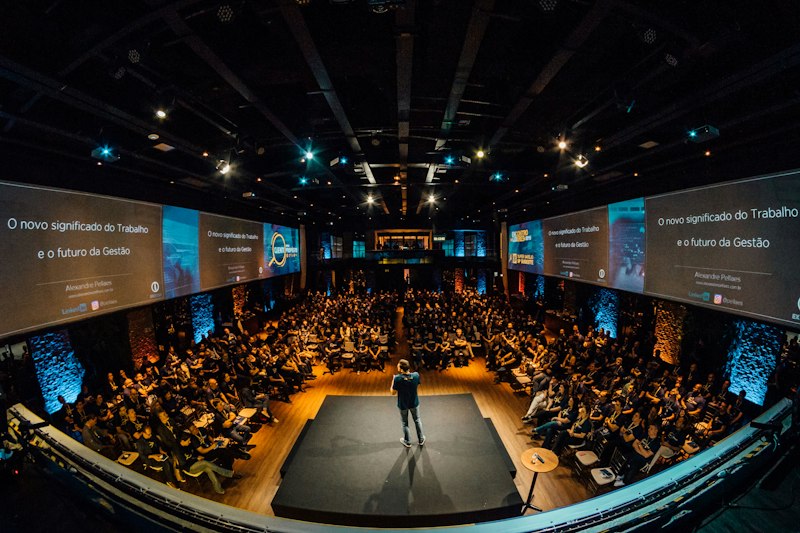
The key is consistency. Whether agents train in a classroom or from their home office, the standards, materials, and expectations should be the same. What changes is the delivery method, not the quality of the content.
Training Program Essentials
High-impact agent training programs share a few non-negotiable elements. Build around these and refine continuously:
- Clear learning objectives
- Practice before live calls
- Regular coaching cadence
- Updated knowledge resources
- Soft skills emphasis
- Outcome-based measurement
- Peer mentoring program
- Continuous micro-learning

Frequently Asked Questions
Most call centers run 2–6 weeks of structured onboarding, followed by 30–90 days of supervised live practice. Complex products or regulated industries may require 8+ weeks. The key is not the duration but the structure—phased learning with practice and feedback at every stage.
The top five are: empathy, active listening, clear communication, product mastery, and problem-solving judgment. Soft skills matter as much as technical knowledge — and they’re harder to teach if not present at hiring. Screen for them and develop them continuously.
Track time-to-proficiency, QA score trends, first-contact resolution, CSAT changes, and turnover rates. Link training to business outcomes, not just attendance. Survey agents about confidence and clarity to catch gaps before they show up in metrics.
Blended learning combines instructor-led sessions, e-learning, simulations, call shadowing, and micro-learning modules for maximum flexibility and retention. Different agents learn better in different formats — offering variety increases overall effectiveness.
Weekly 1:1 sessions of 20–30 minutes focused on 2–3 behaviors, plus monthly team workshops. Consistency beats intensity — small regular coaching outperforms occasional long training days. Coaching should never stop, no matter how experienced an agent is.
Treating training as a one-time event instead of an ongoing discipline. Information fades quickly without reinforcement. The second biggest mistake is focusing only on product knowledge and neglecting soft skills — yet soft skills drive most customer satisfaction outcomes.